Qatar's Barzah Capital joins QFC's digital assets laboratory to promote Islamic-compliant real estate tokenization
Qatar Financial Center (QFC) digital assets laboratory welcomes Barzah Capital, which will develop and test real estate tokenization models within the QFC framework, aiming to build a regulated, Shariah-compliant tokenization infrastructure, with real estate as the first use case.
· 2 min read
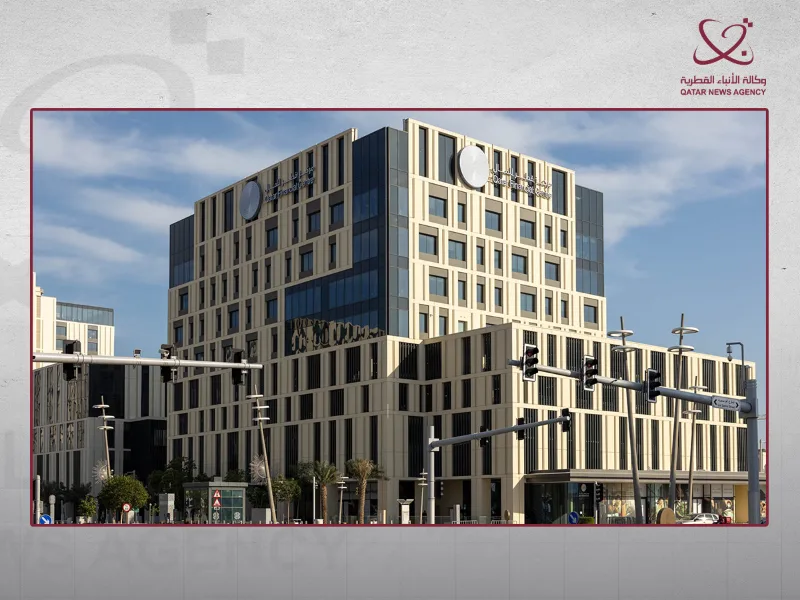
On October 19-20, the Qatar Financial Center (QFC) announced that Barzah Capital has officially joined its Digital Assets Lab. Led by a team of real estate experts, Barzah Capital is building infrastructure to convert property assets into digital tokens, enabling investors to hold fractional ownership of real estate.
Barzah Capital is a graduate of the Qatar FinTech Hub's pre-accelerator program for 2025 and a portfolio company of the Qatar Development Bank. After joining the lab, the company will work with the QFC to explore relevant regulatory pathways and develop and test its tokenization model within the QFC's digital assets framework. Mana Ibrahim Al Mana, founder and chairman of Barzah Capital, stated that the company is building a "regulated, Shariah-compliant" tokenization infrastructure, with real estate as the first use case, but designed to support future expansion to a wider range of RWA categories. QFC CEO Mansoor Rashid Al Khater noted that tokenization is reshaping the way investment opportunities are created and traded, and real estate is one of the most promising tokenization asset classes in Qatar, highly aligned with Qatar's 2030 National Vision and the third financial sector strategy.
Perspective: The signal value of Qatar's move lies in two key words: "regulated" and "Shariah-compliant". The Middle East's sovereign capital and Islamic financial system have extremely strict requirements for asset attributes, and Barzah Capital's choice to test in the QFC's official sandbox rather than proceeding offshore means that the compliant path for Gulf real estate RWA is shifting from "gray area exploration" to "institutional innovation". For brand assets that have laid out hotels, tourism, and real estate RWA in Dubai and the Middle East, this model provides a direct reference: the structural design of fractional ownership must be synchronized with local regulatory frameworks and Islamic financial principles, rather than being retrofitted later.