Services
Our services
Each engagement starts with a scoping call. Fees and scope are confirmed in writing before work begins.
RWA Advisory
We assess whether an asset is ready to go on-chain and design the path there: readiness review, asset due diligence, legal-structure options (SPV), token model and roadmap.
Listing
We prepare asset packages and listing materials for partner platforms: asset package, disclosure documents, platform shortlist and listing coordination. Listing is subject to each platform's own review and rules.
On-chain & Tokenisation
We map assets, operating rights and data on-chain with verifiable records: data on-chain, rights mapping, token issuance systems, smart contracts, and wallet and platform integration.
Investment & Financing
We connect projects with capital partners and support transactions: financing strategy, investor materials, introductions to our capital network and M&A support. Any offering is made by the issuer under the laws that apply to it.
On-chain Community
We build and run communities around projects, with AI-assisted operations: community building, Web3 marketing, member engagement programmes, and AI-assisted content and operations.




How we work
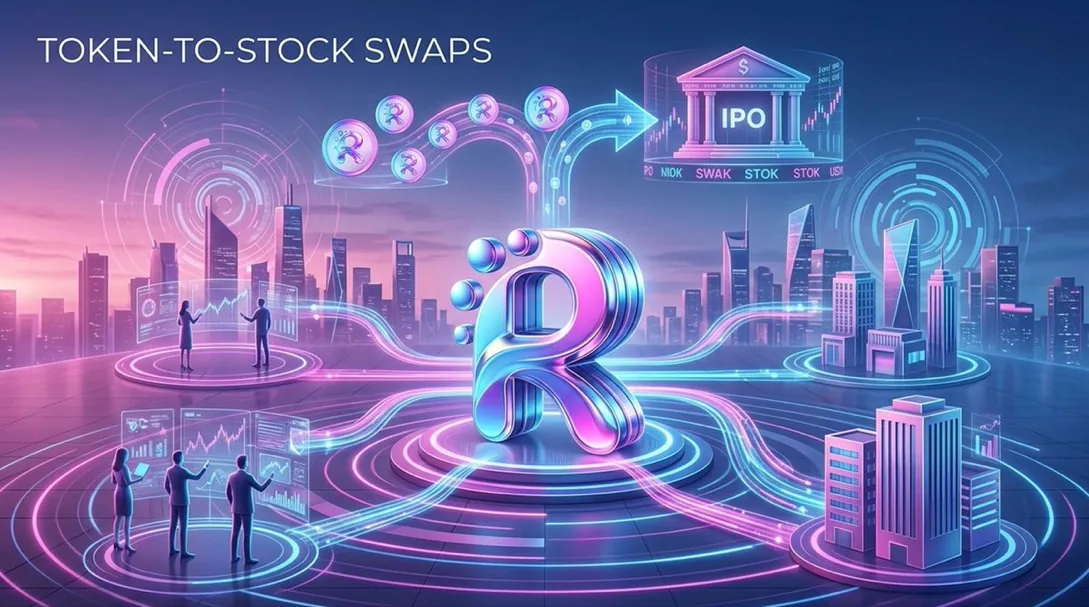
From blueprint to market
Advisory & compliance design
We study the asset and design the structure and token model around the rules that apply to it.
On-chain & rights mapping
We record the asset and its rights on-chain so every unit traces back to one verified source.
Listing & market access
We prepare the listing and work with partner platforms through their review.
Ongoing operations
AI-assisted operations, community and reporting after launch.
Track record
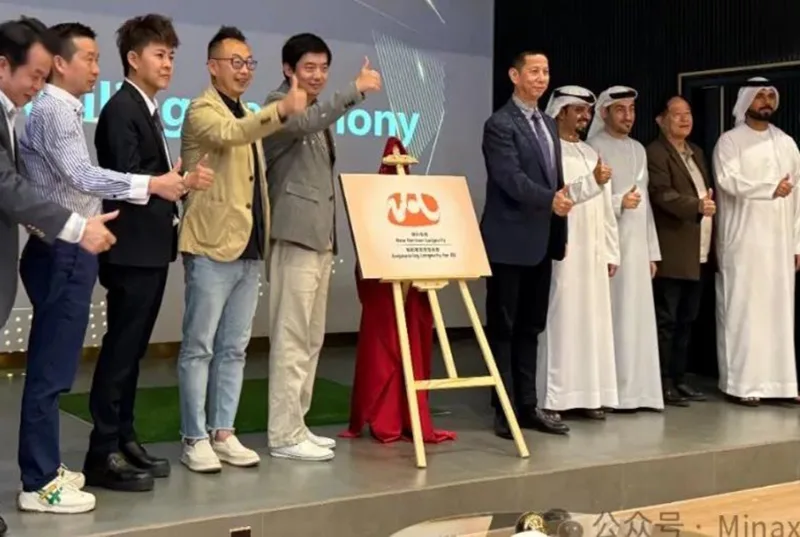
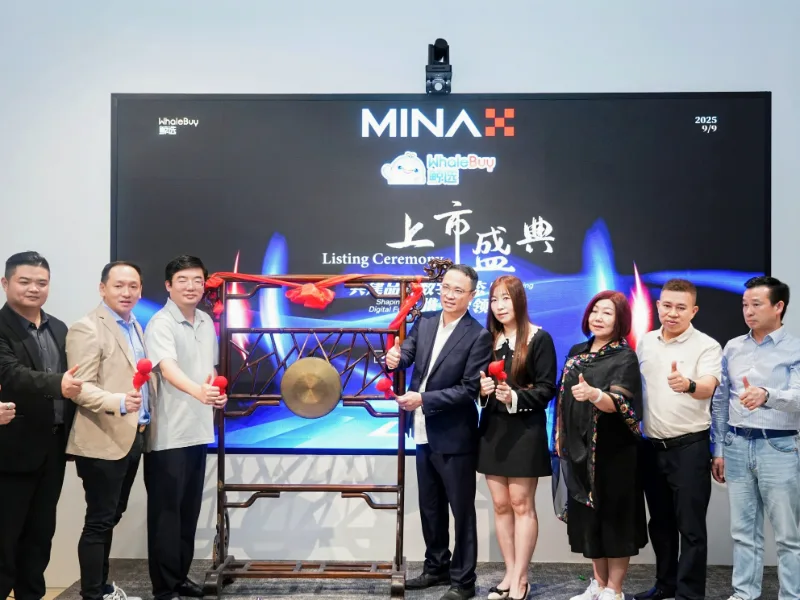
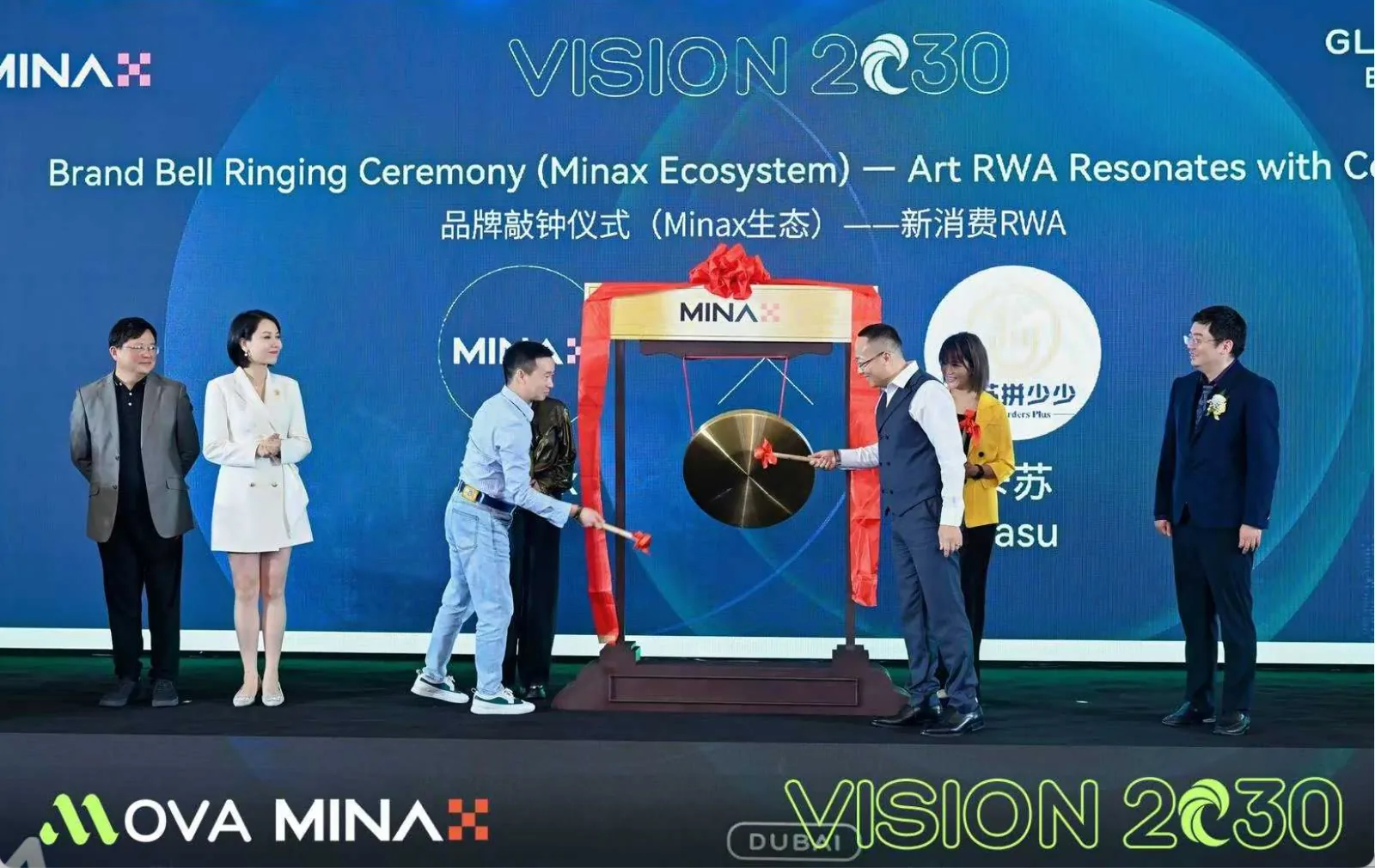
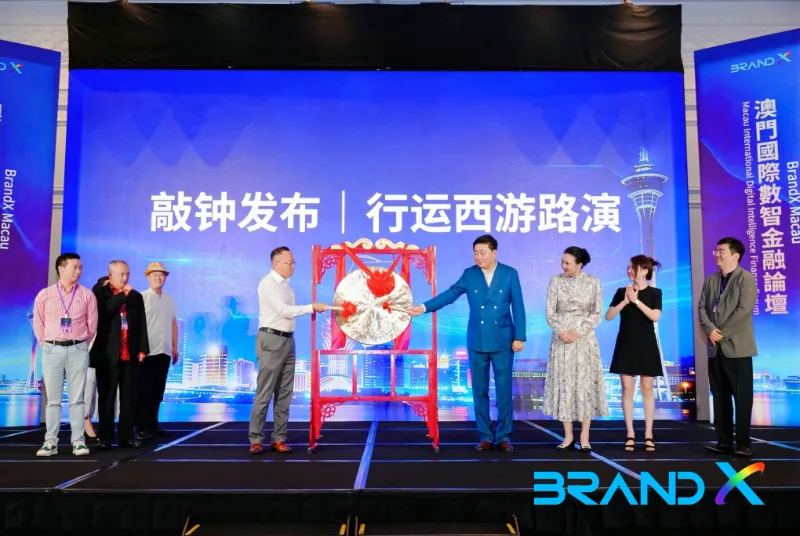
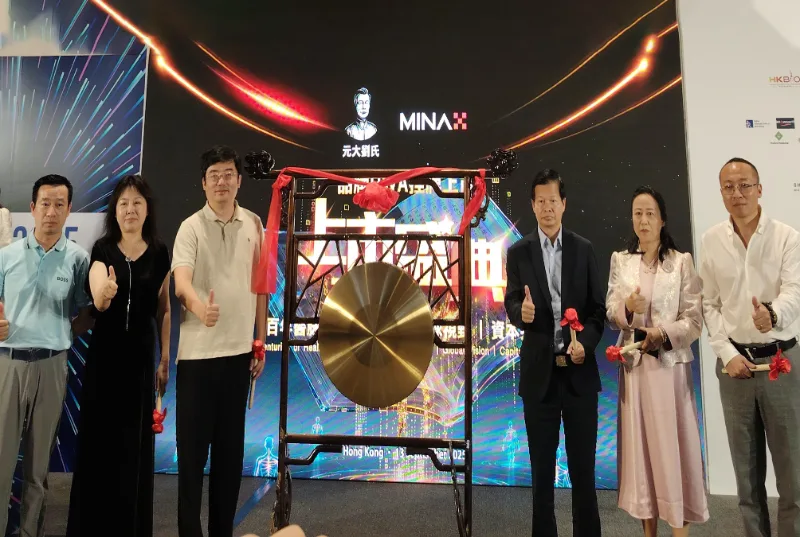
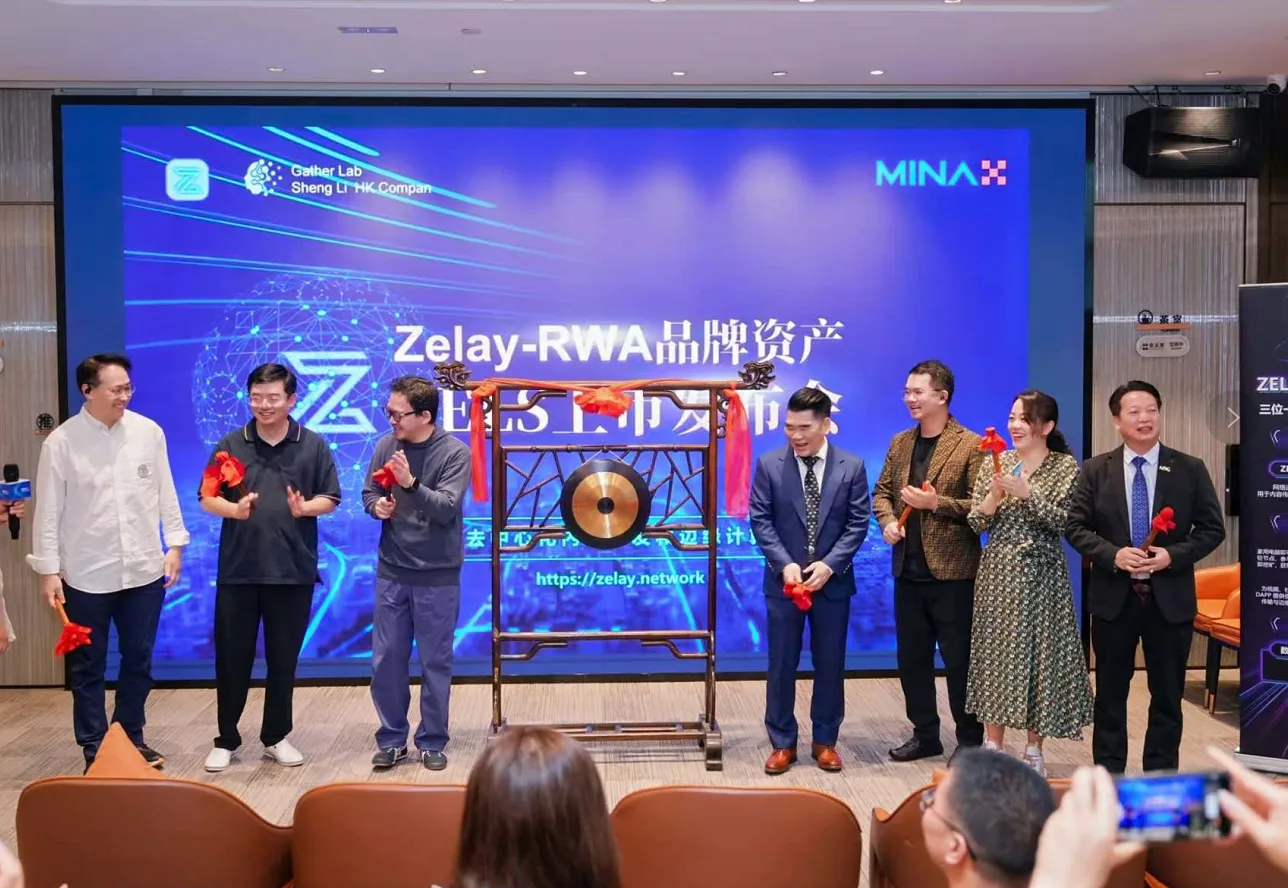
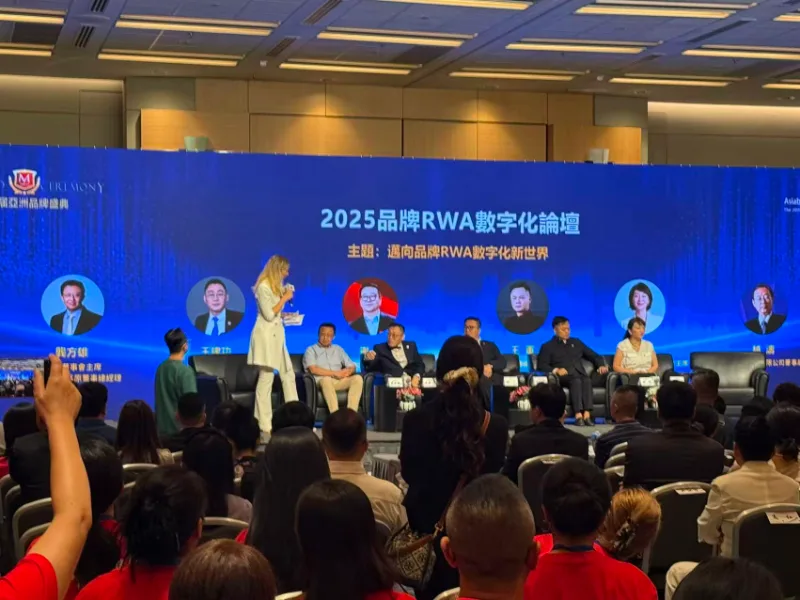
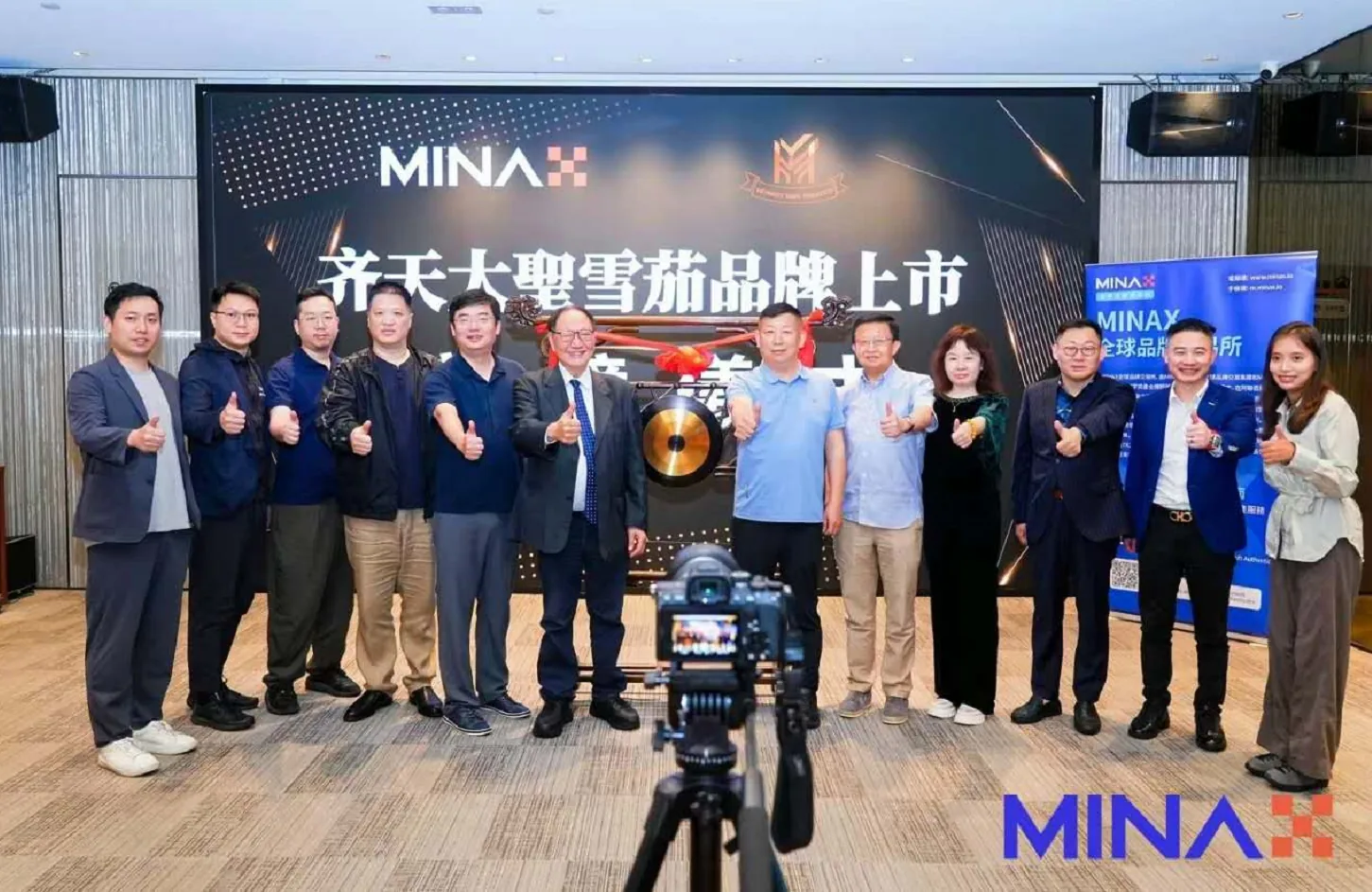
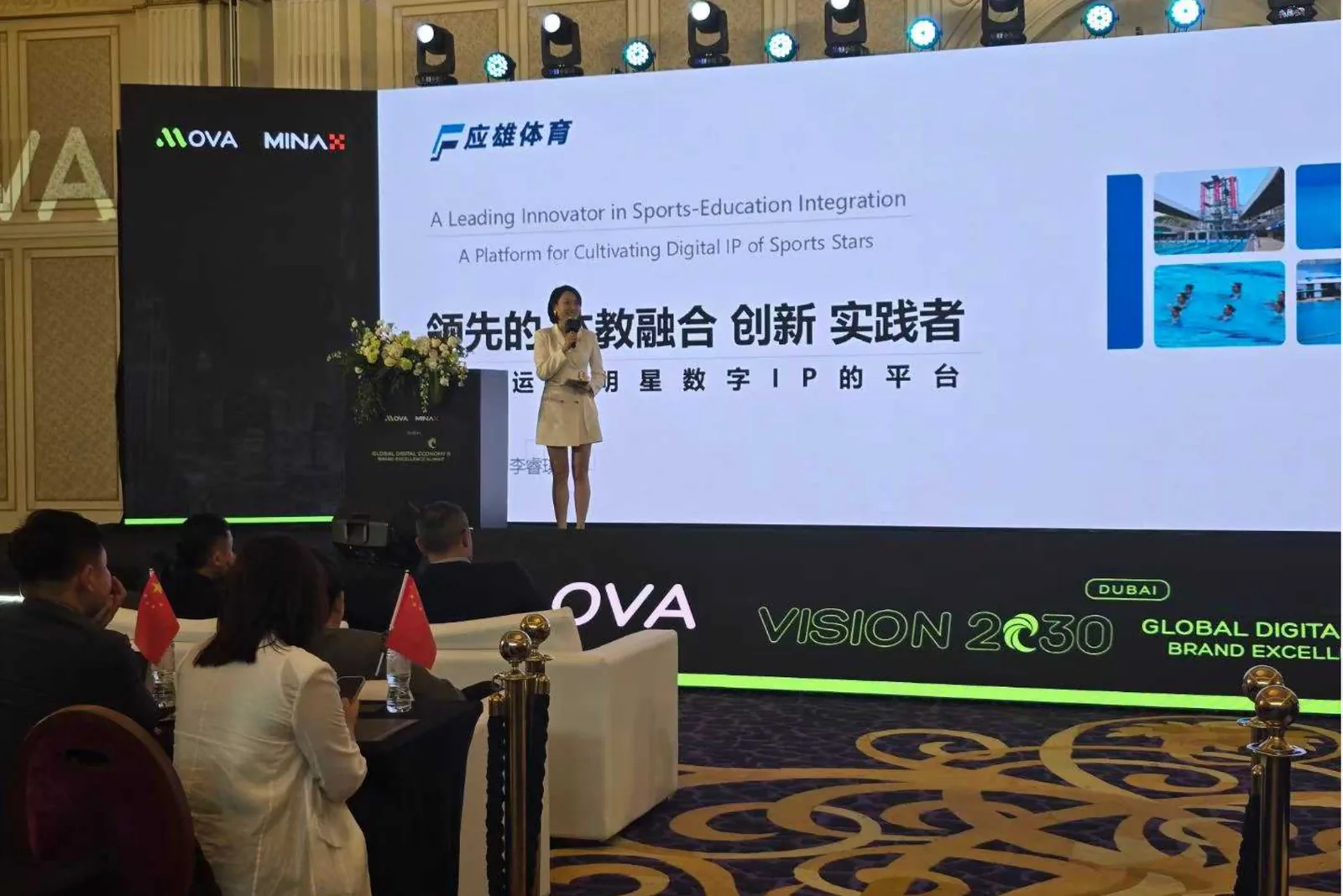
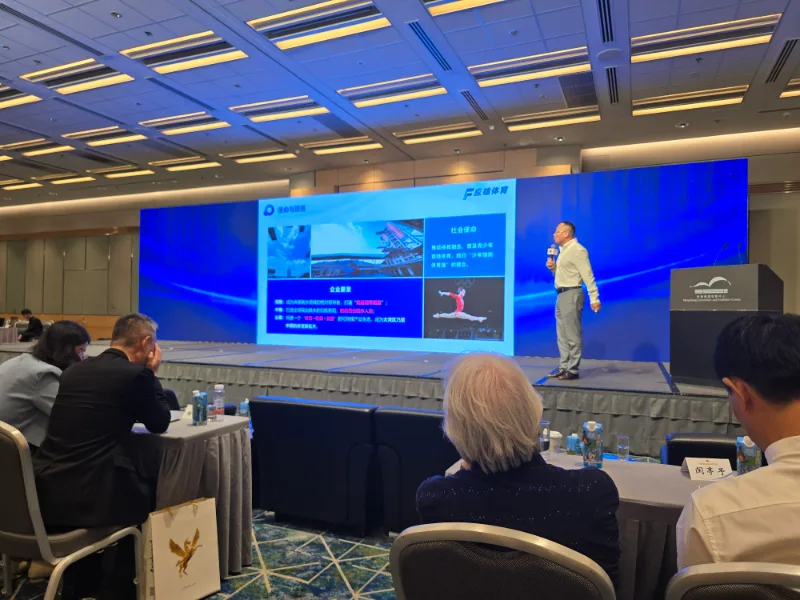
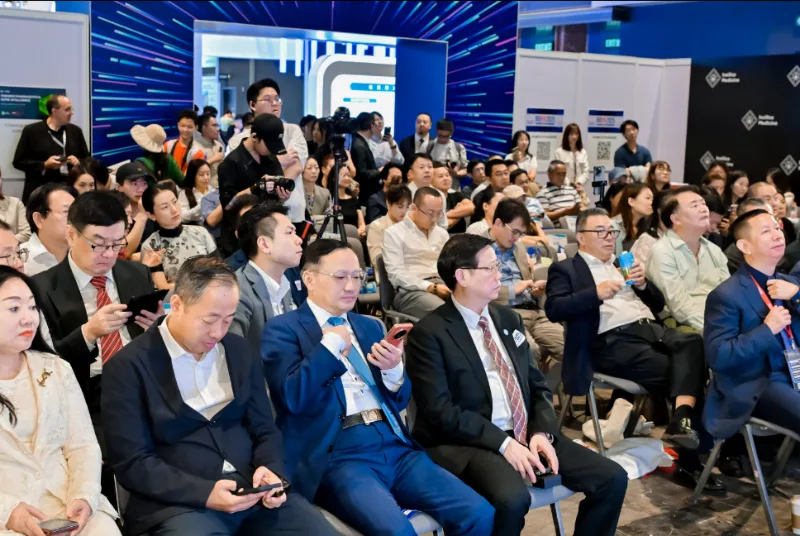
Listing ceremonies
Brand and RWA listing ceremonies held with our listing partner MINAX.
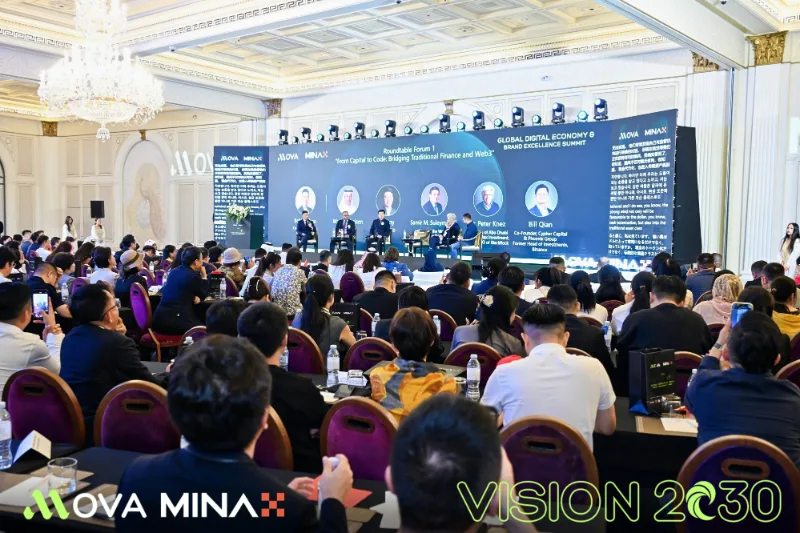
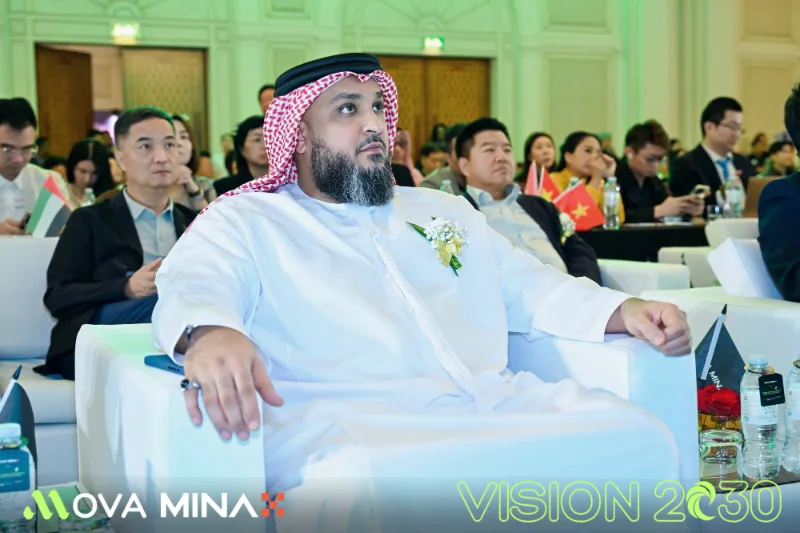
Selected Clients
Empowering innovative enterprises worldwide to digitise assets and unlock value.
On-chain IBO vs. Traditional IPO
ON-CHAIN CAPITAL MARKETS · COMPARATIVE VIEW
Listing Cost
On-chain IBO
1/10 – 1/5 of Traditional IPO Cost
Includes: smart contract audit, tech development, legal advisory
Listing Cost
Traditional IPO
Millions to tens of millions USD
Includes: sponsor, underwriting, audit, legal & exchange fees
Time to Market
On-chain IBO
3 – 6 months
Rapid issuance, on-chain settlement, no lengthy book-building
Time to Market
Traditional IPO
1 – 3 years
Pre-listing tutoring, strict regulatory review, multiple roadshows
Asset Liquidity
On-chain IBO
24/7 Global Markets
Fractional ownership, instant on-chain settlement, borderless access
Asset Liquidity
Traditional IPO
Session-bound
Fixed exchange hours, T+1 settlement, restricted investor pool
Regulation & Review
On-chain IBO
Smart contract security audit
Regulatory framework still rapidly evolving
Regulation & Review
Traditional IPO
Strict, mature regulatory review
Mandatory ongoing disclosure, extremely high compliance threshold
Core IBO Advantages
Lower cost structure • Faster time-to-listing • Global 24/7 liquidity • Fractional asset tokenisation
Disclaimer
IBOs operate in a rapidly evolving regulatory landscape; investors should conduct thorough due diligence on compliance and security protocols. The regulatory framework for IBOs is currently less mature than that of traditional IPOs, which is a primary risk.
FAQ
Questions
What is a real-world asset (RWA)?
A physical or financial asset, such as property, operating rights or receivables, whose ownership or economic rights are recorded on a blockchain.
Does Rhett issue or sell tokens to the public?
No. We advise and build for asset owners and issuers. Any offering is made by the issuer, on platforms and in markets where it is permitted.
Who do you work with?
Asset owners, operating businesses and project teams that want to bring an asset or its revenue on-chain.
What types of assets can Rhett provide RWA on-chain services for?
We focus on assets with clear property rights and predictable stable cash flows, including but not limited to: commercial real estate and hotel operating rights, revenue rights of new energy facilities, accounts receivable, private credit, brand intellectual property (IP), and computing power revenue. We do not undertake assets with unclear ownership, those legally prohibited from tokenisation, or those with severely inflated valuations.
Besides technical services, does Rhett also provide financing services?
We provide end-to-end financing strategy support, investor material preparation, and connect high-quality projects with capital through our global capital network. However, it must be clear: we do not directly raise funds from the public, and investment decisions are made independently by investors under compliant conditions.
What financial licenses and compliance qualifications does Rhett hold?
Rhett places a high priority on compliance. Headquartered in Dubai, we hold equity stakes in or are associated with licenses including Dubai VARA-VASP, US MSB, and BVI FSC-VASP. The RHETT Australia license (including Digital Currency Exchange (DCE), remittance, and AFSL advisory permissions) is currently under application. All our business is provided only in jurisdictions where we are permitted to operate.
In which countries or regions do we provide services?
We are headquartered in Dubai, with branches or teams in Hong Kong, Australia, and the BVI. We primarily serve clients in the Middle East, Southeast Asia, Greater China, and Australia, and work closely with licensed institutions across these regions to ensure compliance in asset issuance and circulation.
What is our asset on-chain service process? How long does it approximately take?
Our services are divided into four stages from blueprint to market: 1) Compliance and structural design (including due diligence, SPV structure); 2) On-chain rights confirmation and token system development; 3) Partner platform coordination and listing; 4) Ongoing operations and community building. The specific timeline depends on asset complexity and compliance review, typically ranging from a few weeks to several months.
How does cooperation start? What materials need to be prepared?
Cooperation starts with a scoping call. After an initial understanding of your asset type and expectations, we will assess the feasibility of going on-chain. Before any formal work begins, fees and scope are confirmed in writing. You only need to prepare a basic asset introduction and proof of property/revenue rights.
What is Rhett's fee model?
Our fee model balances basic services with long-term shared success. It typically includes: basic service fees (planning/compliance/technical development), listing service fees (sharing with exchanges), and allocations based on incremental revenue or token shares (such as financing finder's fees and tiered incremental profit sharing). Specific fees will be clarified in a written proposal.
Does Rhett have a minimum size requirement for assets to be tokenised?
To ensure service efficiency and cost-effectiveness, we generally recommend an asset valuation of over $5 million. For exceptionally high-quality early-stage projects or brands with industry benchmark significance, we will evaluate flexibly on a case-by-case basis.
Which blockchain networks does Rhett support?
We support mainstream public blockchains such as Ethereum, Polygon, BSC, and Solana, and can also connect to specific consortium chains or Layer 2 networks based on project needs. We focus on the flexibility of multi-chain deployment and cross-chain interoperability.
How does Rhett ensure the security of smart contracts and assets?
Our technical team has over 10 years of development experience. All smart contracts undergo rigorous internal testing before launch, and we recommend third-party code audits by reputable firms. Additionally, we assist project owners in establishing "verifiable mapping" between on-chain data and off-chain legal documents to ensure the authenticity and uniqueness of on-chain assets.