Industry Benchmark Case Study: The RWA Innovation in Hong Kong W Hotel's Asset Digitalisation
Hong Kong W Hotel has completed the world's first large-scale hotel RWA project. This case study deeply analyses how it tokenised room assets using blockchain technology and a dual-layer SPV structure, reducing the investment threshold by 99.99% and raising $10 million. Using this as an industry research model, Rhett interprets the compliant pathways and practical essentials for the light-asset transformation of heavy-asset industries.
· 4 min read
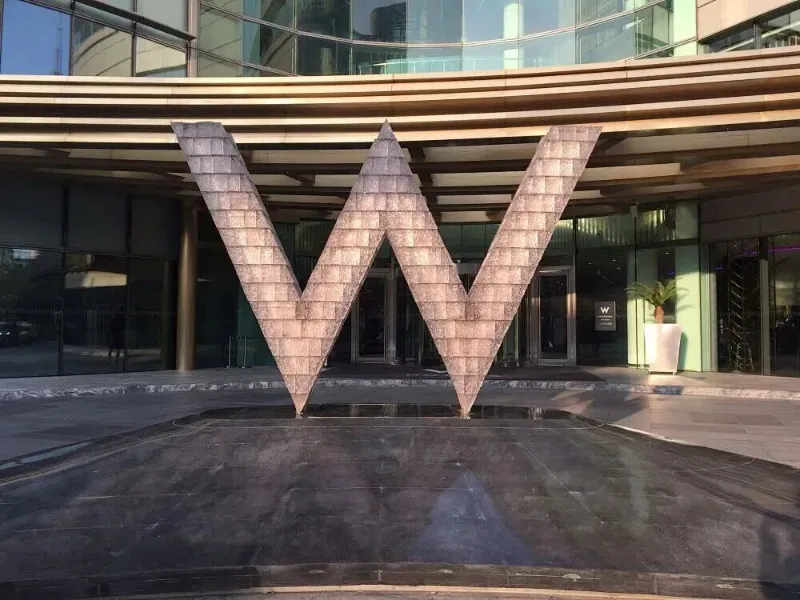
Introduction: Why Study the Hong Kong W Hotel Case?
Under the guidance of Hong Kong's "Policy Statement on Digital Asset Development 2.0," the Hong Kong W Hotel project has become the world's first large-scale RWA (Real-World Asset Tokenisation) benchmark in the hotel industry. Entering scaled operations in November 2025, the project successfully broke the traditional dilemma of "high threshold, low liquidity" for high-end hotel assets, building a win-win digital ecosystem for "investors – hotels – consumers." Based on public information, this article deeply analyses its model from a professional perspective, aiming to provide a replicable reference for the asset digitalisation of the industry.
I. Key Project Partners (Based on Public Information)
- Industry Coordination: Hong Kong Hotels Association
- Financial Compliance: Victory Securities (Licensed broker, responsible for RWA fund issuance and custody)
- Technical Support: Ant Digital Technologies, Conflux Network (Providing "private chain + public chain" hybrid architecture and smart contract development)
- Audit and Supervision: PwC (Responsible for asset confirmation, cash flow auditing, and on-chain data verification)
II. Core Model Design: From Asset Fractionalisation to Revenue Closed-Loop
1. Asset Tokenisation: Extreme Fractionalisation Drastically Lowers the Threshold
The project selected 10 luxury rooms (valued at approximately HKD 12 million per room), clarifying property ownership and achieving risk isolation through a Hong Kong SPV. Each room was fractionalised into 100,000 digital rights vouchers, priced at $100 (approx. HKD 780) each, corresponding to 0.001% of revenue rights (excluding ownership, avoiding property division disputes). Compared to the tens of millions threshold for traditional hotels, the investment threshold is reduced by 99.99%, successfully covering middle-class and retail investors.
2. Dynamic Revenue Mechanism: Binding to Real Asset Efficiency
The project introduced a key indicator: "Asset Occupancy Rate." The daily dividend formula is:
(Room Revenue × Room Occupancy Rate + F&B Revenue + Meeting Revenue) × Dividend Ratio ÷ Total Vouchers
Through real-time calculation, it effectively solves the "zero revenue during vacancy" pain point. Smart contracts automatically distribute revenue, achieving T+1 settlement.
3. Ecological Closed-Loop: Two-Way Traffic between Investment and Consumption
Dividends support three uses: compliant cash withdrawal (HKD/USD), reinvestment to buy more vouchers (compound growth), or 1:1 exchange for hotel consumption vouchers (accommodation/F&B/spa). According to operational data, about 35% of investors choose consumption offset, bringing stable customer flow to the hotel in return.
III. Technology and Compliance Pillars: Ensuring Model Sustainability
- Hybrid Chain Design: Private chain stores sensitive data (visible only to regulators and auditors), while public chain (Conflux) records dividend results and transaction records, balancing security and transparency.
- Data Authenticity: IoT devices collect actual usage data, cross-verified with power grids and cashier systems. Oracle is introduced to ensure off-chain data is trusted on-chain.
- Legal Isolation: A dual-layer SPV structure (Hong Kong local SPV holds room assets, offshore SPV issues RWA vouchers) isolates operational risks. The project has obtained the Hong Kong SFC's virtual asset product filing, serving only "professional investors + qualified retail investors."
IV. Implementation Results: Data Validates the Model's Value
As of the end of November 2025, the project has completed RWA issuance for 10 rooms, raising approximately $10 million. Core results include:
- Liquidity Boost: Liquidity increased by 300% compared to traditional models, achieving T+1 secondary market trading.
- Financing Speed: From asset confirmation to fund arrival takes only 45 days, 70% shorter than traditional REITs.
- Diverse Structure: Retail investors account for 62% ($100-$5,000 per household), institutions 38% (mainly ESG funds and family offices).
- Operational Feedback: Brought a 15% increase in room occupancy and an 8% growth in F&B revenue.
V. Industry Implications and Rhett's Practice
The Hong Kong W Hotel case not only validates the core value of RWA in the "light-asset transformation of heavy-asset industries" but also reveals three prerequisites for successful replication: a clear regulatory framework, a diversified revenue structure (non-room revenue ≥ 30%), and strong brand credibility and technical transparency.
Rhett Fintech is deeply engaged in the RWA sector and possesses core service capabilities aligned with the aforementioned benchmark case. From compliance consulting and SPV structure design, to asset on-chain confirmation and dynamic revenue model building, and to connecting with licensed institutions and global liquidity networks, Rhett is committed to providing one-stop RWA implementation services for hotels, cultural tourism, and brand enterprises. We have successfully served dozens of brands, including WhaleBuy, Zelay, Yingxiong Sports, and Yuanda Liushi.
(Note: This article is compiled based on public information and is for industry research reference only. It does not constitute any investment advice. To learn how your assets can achieve RWA implementation, please contact us for a tailored assessment plan.)