Hong Kong's stock exchange plans to launch a tokenized warehouse receipt financing pilot next year, with commodity warehouse receipts serving as collateral
Hong Kong's Secretary for Financial Affairs and the Treasury, Kevin Tsang, stated on October 23 that Hong Kong's tokenization is moving from the experimental stage to the implementation stage. The stock exchange plans to collaborate with designated banks next year to launch a tokenized warehouse receipt financing pilot, using distributed ledger technology to use commodity warehouse receipts as collateral, and simultaneously building a multi-asset tokenization platform.
· 2 min read
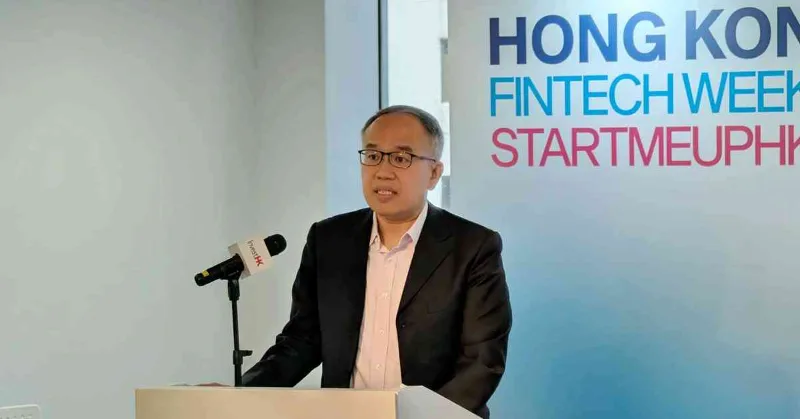
On October 23, Joseph Chan, the Hong Kong Secretary for Financial Services and the Treasury, publicly stated that Hong Kong's tokenization process is moving from the experimental phase to the implementation phase. The fourth issuance of digital green bonds last month was oversubscribed in all currencies, and tokenized Hong Kong dollar deposits have been incorporated into the settlement process.
More substantial progress related to physical assets comes from the Hong Kong Exchanges and Clearing Limited: it plans to launch a tokenized warehouse receipt financing pilot next year, in collaboration with designated banks, using distributed ledger technology (DLT) to promote the use of commodity warehouse receipts as collateral, while building a multi-asset tokenization platform covering commodity warehouse receipts in approved warehouses. Joseph Chan also disclosed that Hong Kong currently has over 1,400 fintech companies.
[Redefine Perspective]
The significance of the warehouse receipt financing pilot lies in extending the underlying assets of RWA from financial assets (government bonds, funds) and real estate (hotels, real estate) to commodity inventory in the trade financing sector. As a document of title, the tokenization of warehouse receipts directly addresses the core issue of RWA: how tokenized assets on the blockchain can form verifiable and enforceable mappings with physical assets off-chain. For RWA related to brand assets and operating rights, the reference value of this pilot lies in the fact that Hong Kong is establishing a trustworthy framework for the tokenization and collateralization of physical assets using a controlled structure of 'designated banks + approved warehouses + DLT'. The implementation of non-standard RWA also requires a similar combination of 'trustworthy intermediaries + controlled environment', rather than relying solely on on-chain mechanisms to resolve off-chain trust issues. Hong Kong's choice to start with warehouse receipts, a category with a relatively high level of standardization, also provides a gradual template for the tokenization of other physical assets.